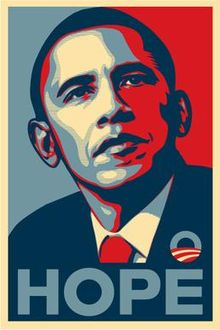
After being asked to identify some ways in which graphic design has helped to support campaigns, my mind immediately thought to the iconic ‘Hope’ poster of Barack Obama’s successful 2008 presidential election campaign. Designed by Shepard Fairey in just one day, it was originally distributed as a simple street poster, but soon became a symbol of the campaign, with the wording at the bottom being interchanging between the key messages of the campaign – hope, change and progress. It consists of a stylised portrait of Obama in solid red, beige and (light and dark) blue, the colours representing the colours of the United States’ flag. Evidently a hugely successful campaign culminating in the election of Obama to POTUS.
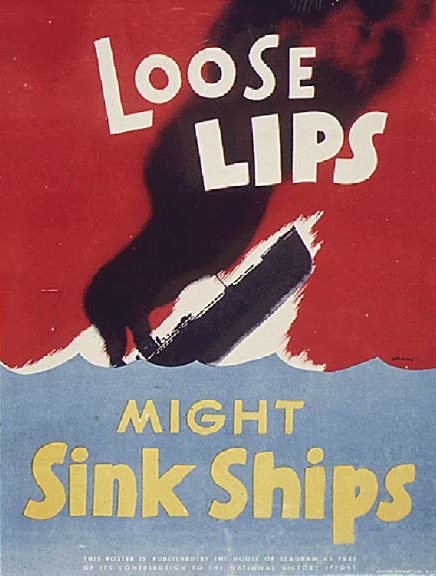
In addition to this, well designed and thought out propaganda posters are also hugely effective. Perhaps one of the most famous is the “Loose Lips Sink Ships” poster used in the Second World War by the Americans. It was a campaign to stop people discussing things in public, as enemy spies were thought to be everywhere, and may pass information back to the Axis enemy powers. Again we see a simple, yet bold message, something that is easy to digest, and can be read even at a glance. The powerful imagery of the warship sinking is used to hit home to the public, what they’re carelessness could lead to – a type of mild shock tactic. Designed by Seymour R. Goff in 1941, it played a very important role in keeping the country safe.
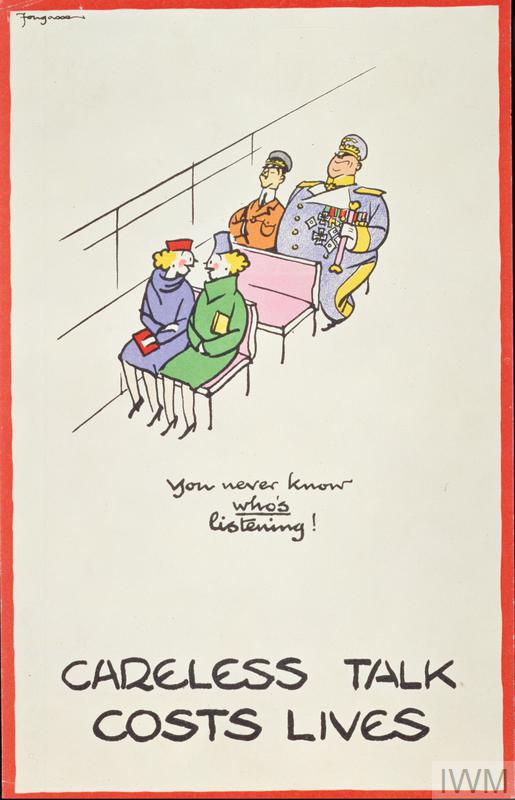
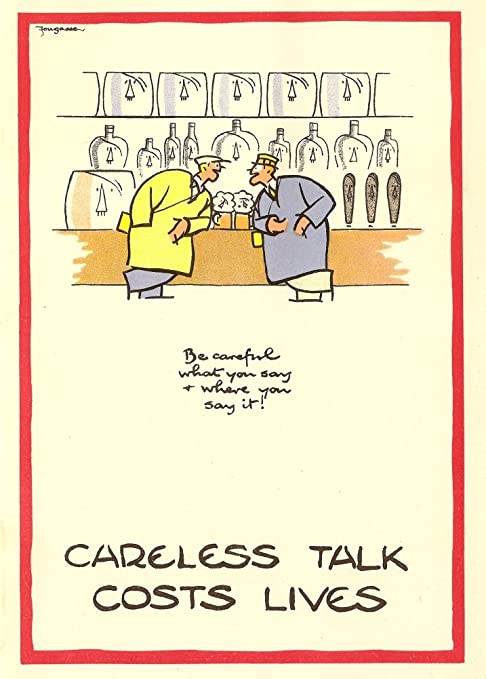
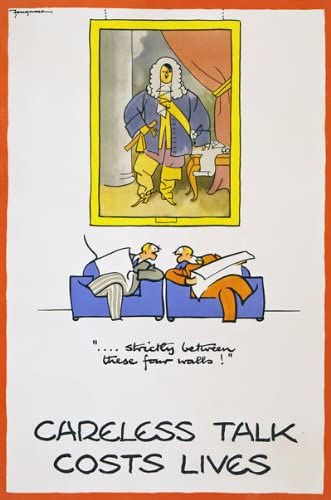
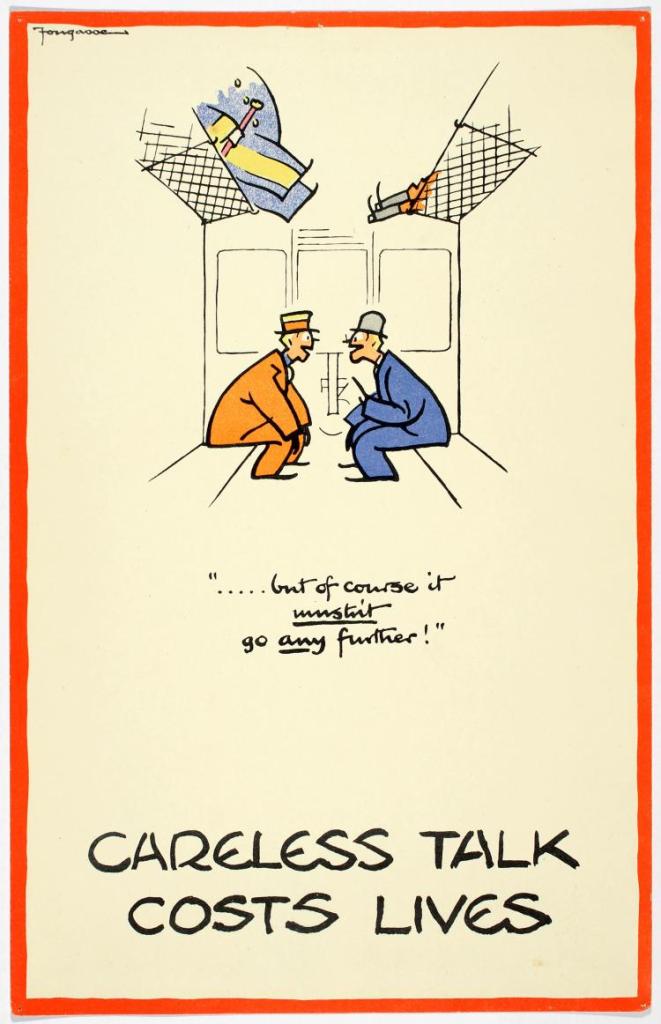
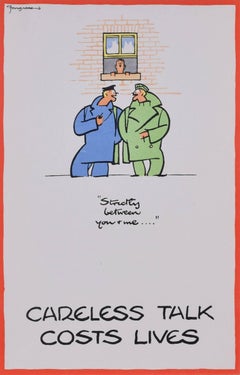
Other very similar campaigns existed throughout the Allied and Axis nations during the conflict – another example being the British take on the same message. “Careless Talk Costs Lives”. Again, short and to the point as it aims to get the message across to people quickly. But unlike the American version, the series designed by Fougasse are slightly humorous and tongue in cheek which would most likely resonate better with the British public. They depict two members of the public chatting to each other, seemingly unaware of would may be listening in. In all of the posters however, background objects or people are made out to be caricatures of Hitler, or his upper echelon staff such as Goering etc, to show who may be listening in. Humour isn’t a strategy one would expect with propaganda or campaign style posters, but is something that I think works particularly well here and shows a great understanding of the target audience.
 Jon Lawrence Learning Log