”Establish and undertake a small client-led project in response to another person’s graphic design needs:
- write a brief
- develop a range of ideas
- finish your artwork to pre-press
- work out roughly how much you might charge for the job
- reflect on the process.
- how you found working with a client.
Reflect on how you found working with a client. You may want to get some feedback from your client about their experience of the process. Given the amount of time you spent on the assignment, how much might you have charged your client? How does your client feel about this price? How might you approach other client-led projects differently in the future? Summarise your reflections into a short evaluation (around 800 words) and submit this with your assignment.’
Having worked with Woodberry Homes for a little while now, they were very open to the idea of further work. The brief this time was for a business card design, and some letterhead variants.
The direction I was given, was to come up with a set of designs that imply class, whilst retaining the brand colours of purple and gold. Luckily these are regal colours in their own right, so the task wasn’t too challenging.
Having produced previous work for them, the leaflet in the earlier part of this section of my course to highlight one, I was already well-versed and in tune with their brand style and general feel for the type of printed and digital work they want and require.
For the business cards I came up with three different designs. On the front side, there wasn’t a huge scope for experimentation as the client had a clear idea of what they wanted – namely a purple background, with the company logo in the centre. However I did add a subtle background design to this, one that I had used previously in some other work for them, to add some depth to the design. On the reverse, I had more room to try different ideas, the outcomes are below:

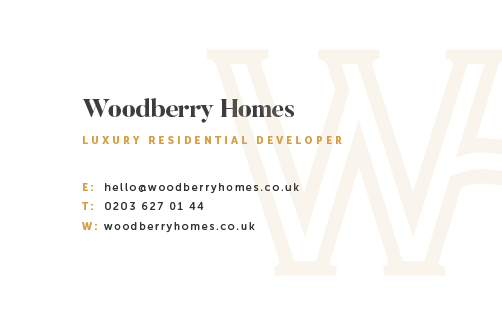
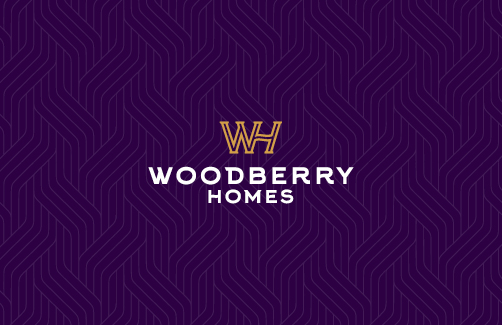
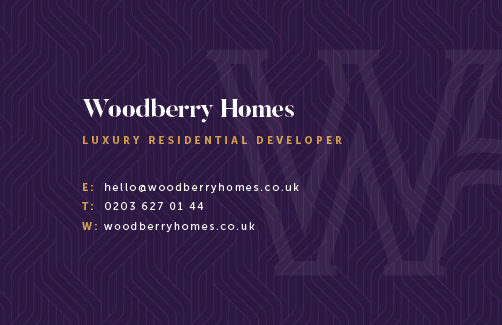
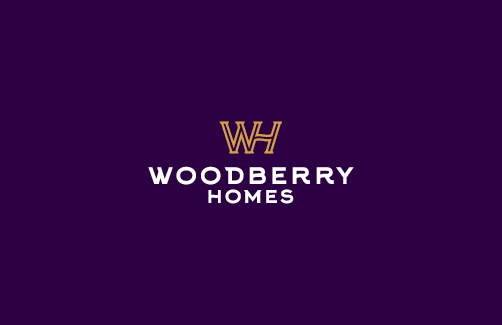
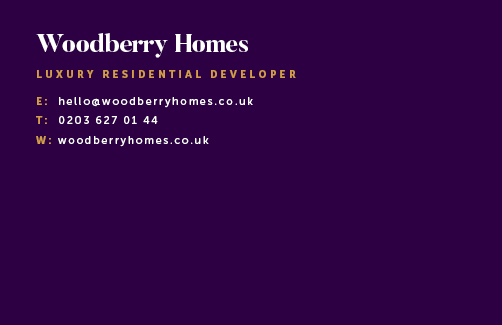
The chosen design was the first option, the client loved the added background ‘design feature’ and hadn’t considered using it on a business car design, subsequently they wanted this applied to the headed paper too.
The headed paper, much like a business card design, doesn’t lend itself to anything particularly experimental or ‘out there’ in terms of design, but there is definitely a certain degree of finesse involved. The process is far more involved than simply placing a logo on a blank sheet. As previously mentioned, the client wanted the design element added to the background of the headed paper too. As well as producing a couple classic white versions, we also came up with the idea of a purple sheet. This became an option after a conversation with the client where they mentioned that they liked the idea of handwriting letters to their customers using a gold pen – a quirky approach which I loved! In the end they actually wanted to different versions, a classic white, as well as the purple.
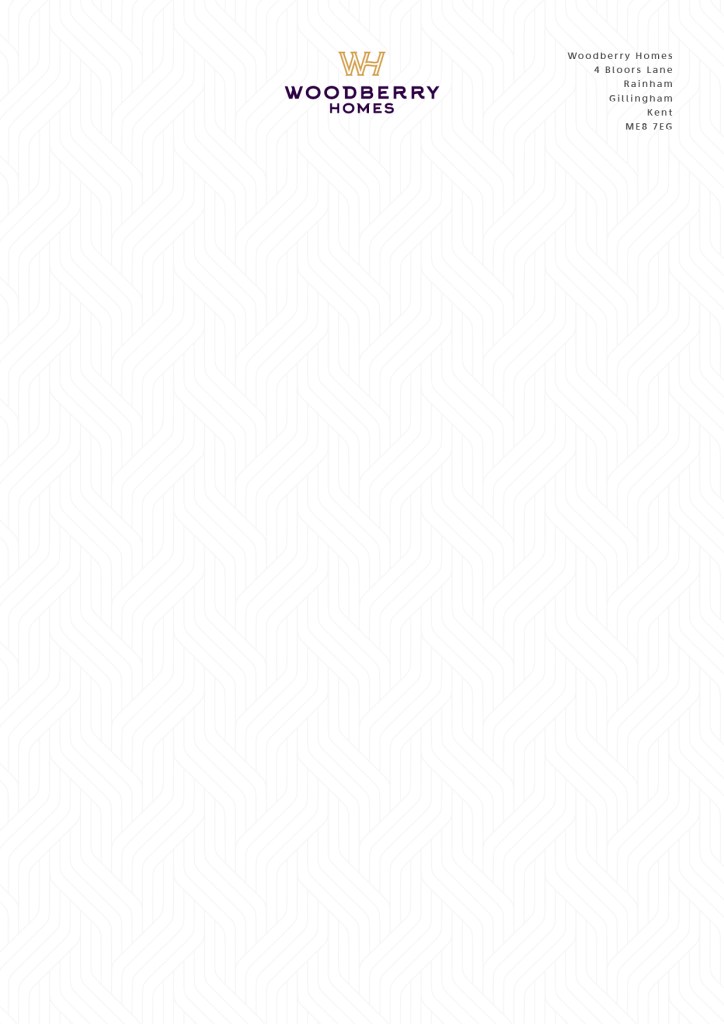

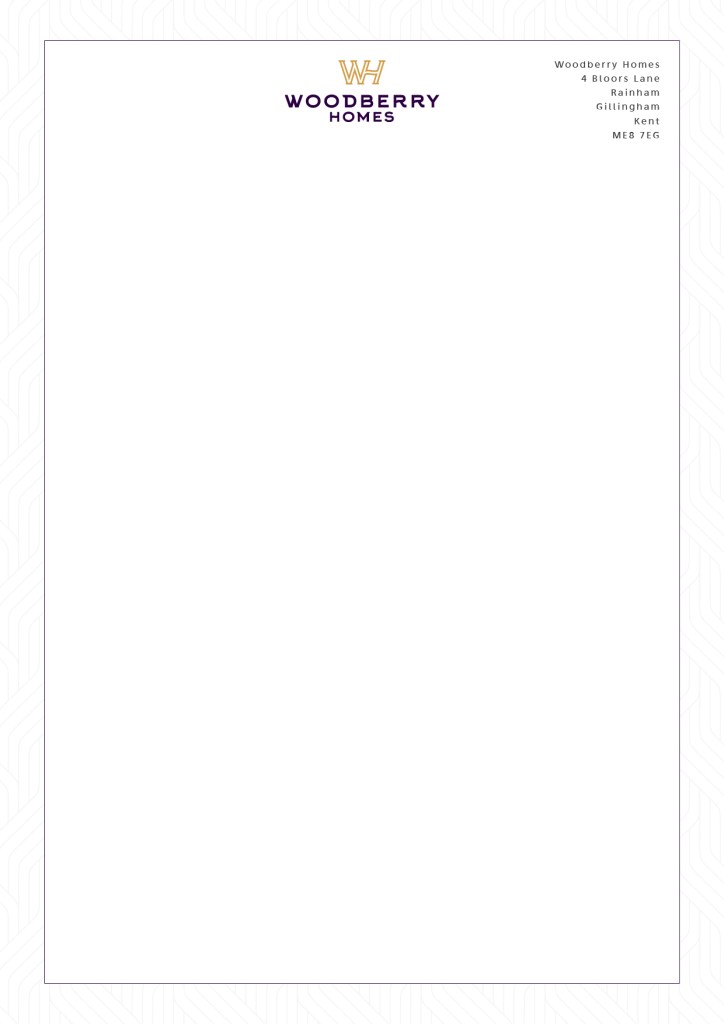
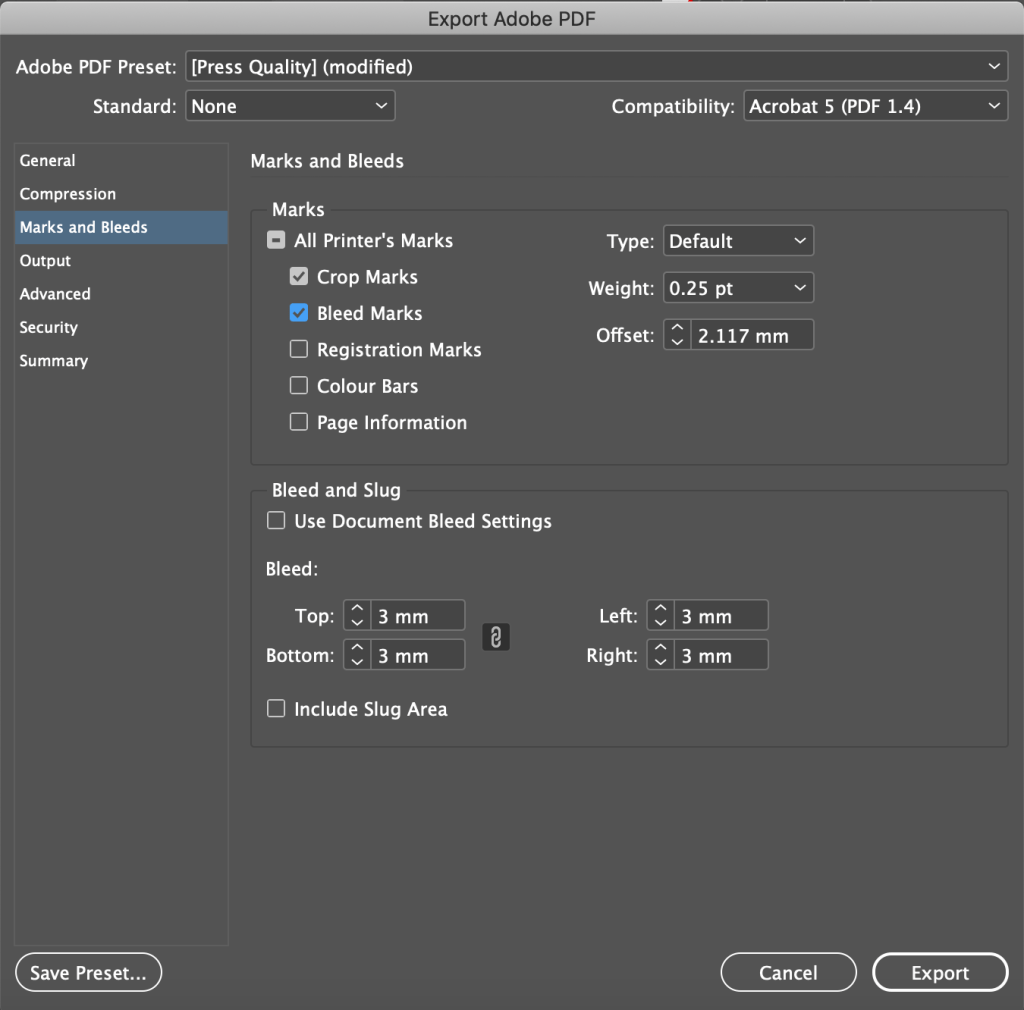
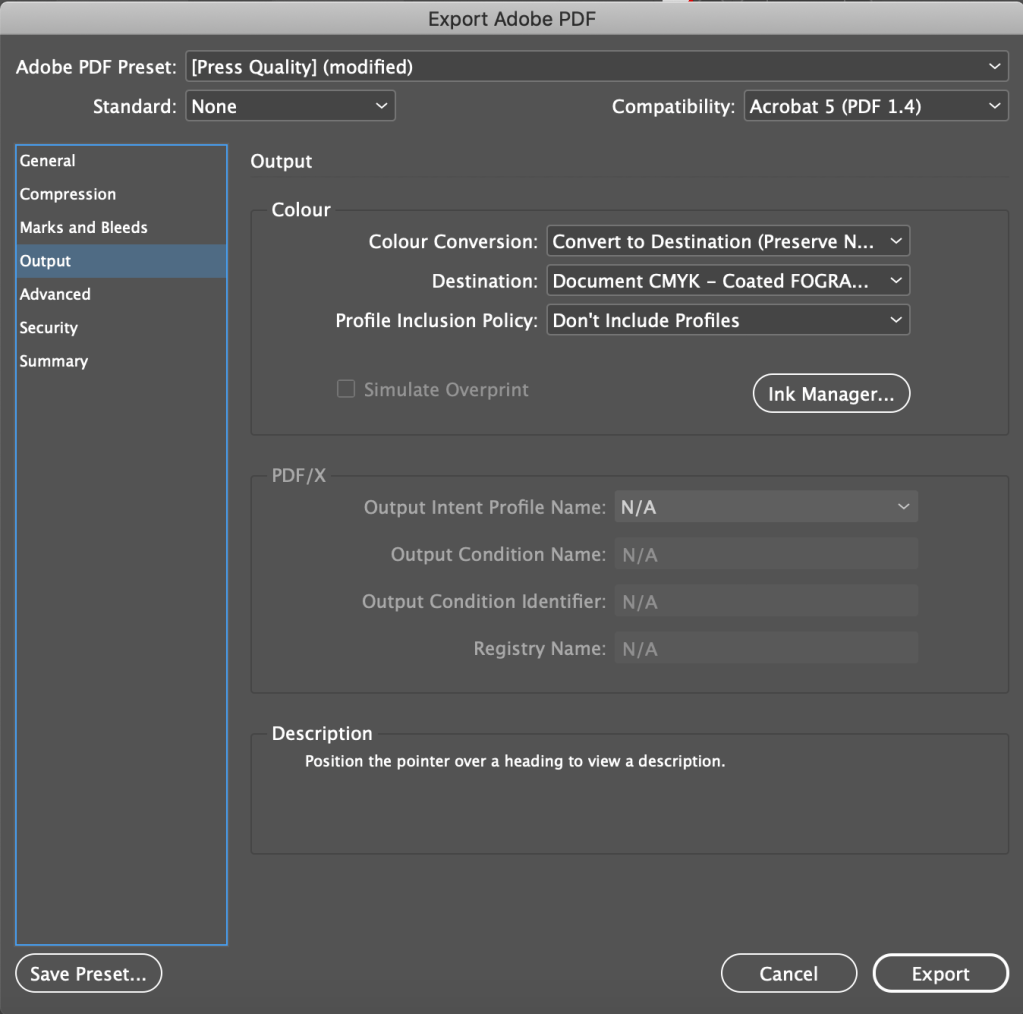
Again, the first two options shown above were chosen to be taken to print. The next stage for me was to ensure that both the selected business card design and the chosen headed paper were all prepared for print. This involved selecting the correct colour profiles as well as crop and bleed – as is standard practise with any print job.
At this moment in time, the client has sent the artwork to the printers and due to COVID, there will be a short lead time to wait until the finished results arrive back at the company. But so far, safe to say they are delighted with the outcome! This has also lead to further discussions on future work together which I am very pleased about.
My full evaluation (in around 800 words) of the assignment is below, but also attached via email.
Although this is far from my first time working for a real-world client, the sense of motivation and professional pride is something that always strikes me. Having completed and undertaken some work for Woodberry Homes before, it was nice to reaffirm the professional relationship that I have with them, on this project. I feel it is one of the most important aspects of any professional working relationship, having a good line of frequent communication. This helps the process become much more efficient, meaning less ambiguity for the designer, and ultimately less money having to be spent by the client – a win for both parties. I have been very lucky that Woodberry Homes are a dream to deal with/work for. The clarity they provide when asking for work it extremely helpful.
I had previously established a working rate with Woodberry Homes, of £40 per hour, this is my going rate for all work, and something that I continued throughout this project. I always try to invoice before starting the work, as this allows the client to get a good gauge on what the job will cost them before I undertake the job. Once agreed on, I usually allow for three seperate amends included within the quoted price, any amends after that are charged at 50% of my hourly rate. As this is a price that has been pre-agreed in the past, I am confident that Woodberry Homes are happy with it, considering the work they recieve.
This particular client organised the printing of the artwork themselves, which is handy as it is less hassle for me, but I still had to ensure that all my files were print ready when I sent them over to the client – something that I felt much more prepared for than in previous instances, due to some of the work involved in some of the previous tasks within this part of the course. As a result I would definitely feel more comfortable in suggesting to a potential future client, that I can arrange and delivery printing services for them. I could even make an added markup on this as a service.
In terms of the work itself, although what was being asked of me was a relatively simple brief (some business card designs and some professional looking headed paper), it was still important to ascertain exactly what the client was looking for. In this case, the overall look and feel had to imply a sense of class and esteem, whilst retaining the brand identity. As previously mentioned, the Woodberry Homes brand colour palette lends itself very well to this aesthetic. The purple and gold colour scheme, paired with the luxurious serif font of the logo, meant that achieving the desired look and feel was not too much of a challenging task. I produced three different designs, each offering a slightly different take. On the front side, there wasn’t much room for experimentation as the client had a clear idea of what they wanted – namely a purple background, with the company logo in the centre. However I did add a subtle background design to this, to add some depth to the designs, this is something I had used on a previous article of work for the same client, and one that they hadn’t considered using on a business card design, subsequently they then asked for the same to be applied on the headed paper as well. Again this was another benefit of frequent communication, I could take this information and use it for the headed paper before I had actually started work on that part – an ideal situation for both parties.
Headed paper, much like a business card design, doesn’t lend itself to anything particularly experimental or ‘out there’ in terms of design, but there is definitely a certain degree of finesse involved. The process is far more involved than simply placing a logo on a blank sheet. There are things to think about in terms of composition – (how big should the logo be? What other information needs to be included? Where should this information go, at the top or foot of the page? And how dominant should it appear? Are any other colours other than white to be considered?). Once more, three options were presented to the client, two classic white versions as one might expect, but also a purple version. This became an option after a conversation with the client where they mentioned that they liked the idea of handwriting letters to their customers using a gold pen – a quirky approach which I loved! In the end they actually wanted to different versions, a classic white, as well as the purple. Something I was happy to have assisted with.
In summary, I felt that the process of writing a brief combined with working with a real-world client, has left me feeling very confident about the process as a whole. In particular, I now feel much more confident in my own ability, not only in design terms but also in a consultive way – I now have the self-belief to be able to interact with a client, and to suggest new ideas to them during the briefing process.
 Jon Lawrence Learning Log